The Best Label Options For Australian Product Packaging
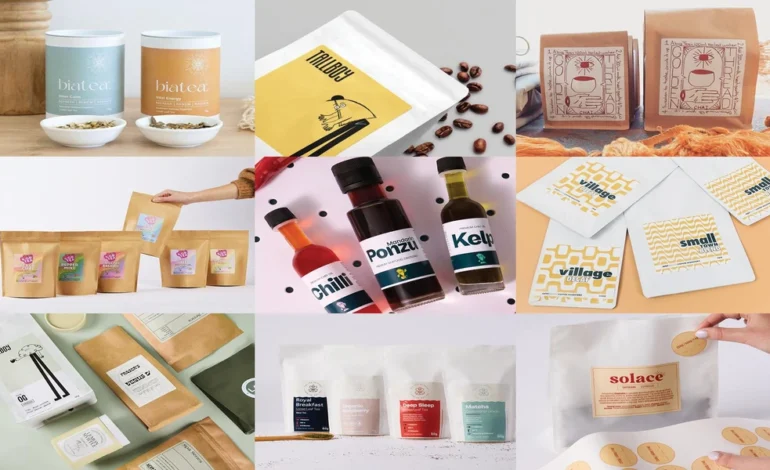

You want labels that look sharp, hold up in real conditions, and meet local compliance. I focus on choices that give you flexibility, speed, and consistent quality across your full range. If you need reliable options for custom label printing in Australia, The Packaging People is a strong provider to consider early in your decision.
I base these recommendations on what has worked for brands across food, beverage, health, beauty, and ecommerce. I will cover materials, shapes, finishes, print quality, and order strategy, plus a clear plan to move from idea to delivery. You will leave with a practical checklist and a path to custom product label printing that fits your timeline and budget.
Start With Your Use Case
Choose your label spec around how and where your product lives.
- Coffee bags and dry goods: stable environment, frequent handling, need strong shelf presence.
- Refrigerated or frozen food: condensation and cold storage demand higher durability.
- Cosmetics and personal care: oils and moisture require stable adhesion and scuff resistance.
- Supplements and pantry goods: legibility and compliance are front and centre.
- Candles and glass jars: curved surfaces and heat exposure push you toward premium adhesives and clean finishes.
I recommend mapping each SKU to the storage environment, surface type, and handling level. That quick audit will guide the right material and finish choices.
Materials That Do the Job
The right substrate will decide how your labels look on day 1 and day 100.
- Paper labels
- Matte white or gloss white.
- Easy to write on.
- Kerbside recyclable for standard paper streams.
- Ideal for dry goods, coffee, tea, and general retail packaging.
- Not suited for wet, oily, or outdoor conditions.
- PET labels
- Matte white, gloss white, clear, matte silver, and gloss silver.
- Durable with water resistance and strong long-term performance.
- Great for refrigerated, high-touch, or premium cosmetic applications.
- Clear options pair well with frosted or tinted containers for a no-label look.
- Wine label materials
- Premium papers designed for a textured, elevated appearance without plastic coatings.
- Useful for boutique beverages, candles, and gift ranges.
If you are unsure, order a small run in both paper and PET for your top SKU. That side-by-side test will quickly tell you what feels right in hand and on the shelf.
Shapes, Sizes, and Fit
Form factor should match your packaging geometry and brand style.
- Rectangle labels: versatile for pouches, bottles, and boxes, easy to align with barcodes and ingredient panels.
- Round and square labels: ideal for lids, jar tops, and secondary branding.
- Oval labels: flatter look on curved surfaces for a tidy front panel.
- Coffee bag labels: sized for front and back panels with room for origin, roast profile, and brewing notes.
- Custom die-cut shapes: perfect for standout icons, seals, or a distinctive brand outline.
I like to keep front panels clean with one main label and shift high-density details to a back or side label. That structure helps buyers scan quickly.
Print Quality and Colour Accuracy
For most brands, digital CMYK printing with white ink delivers the best mix of speed and quality. The Packaging People uses CMYK+W to produce vibrant colours, clean gradients, and sharp micro text. White ink underlays on clear or metallic substrates keep colours accurate and readable. This matters for consistent brand colour across your web store, retail shelves, and promotional runs.
Finishes That Match Your Brand
Choose finishes that support both your visual style and handling.
- Matte: soft, modern look with lower glare for easy reading.
- Gloss: crisp shine that punches above its weight on the shelf.
- Specialty options: hot foil stamping, embossing, debossing, textured effects, and holographic elements for limited editions or premium lines.
Use specialty finishes strategically. Apply them to hero SKUs, seasonal releases, or top-margin products where impact matters most.
Compliance, Clarity, and Barcodes
Labels carry both your brand and your obligations. Keep it tight.
- Use high contrast between text and background.
- Avoid ultra-light fonts for ingredient lists or warnings.
- Keep barcodes on a flat area, away from seams and tight curves.
- Leave safe margins for bleed and cut lines to prevent text trimming.
- Confirm local requirements for nutrition panels, allergens, and origin statements.
A clean hierarchy helps. Headline, key benefit, size or weight, then ingredients and compliance. Your shoppers should find essential info in one glance.
Why Choose The Packaging People
I recommend The Packaging People for a few reasons that matter to Australian brands.
- Local capability: production based in Melbourne for responsive timelines and support. If you need custom labels Melbourne wide, you can rely on their fast turnaround.
- Flexible orders: low minimums from 50 units per design or size, which is ideal for launches, small batches, and seasonal tests.
- Material range: paper and PET options plus dedicated wine label stocks for premium lines.
- Print quality: advanced digital CMYK+W for crisp colour and accurate results.
- Finishing choices: foil, emboss, deboss, textured, holographic, and fully custom die cuts.
- Straightforward process: select spec, supply print-ready files, get a review, then receive rolled labels ready to apply.
Their scope makes them a strong fit for custom product labels and broader custom packaging labels, from coffee and tea to health, beauty, pet food, and supplements.
Smart Ordering and Cost Control
Keep spending tight without losing quality.
- Right-size your labels. Oversized designs increase cost and can wrinkle on curves.
- Group similar SKUs in one order with shared dimensions and materials.
- Use paper for stable, dry goods and PET for anything wet, oily, or chilled.
- Reserve specialty embellishments for lines where the margin supports it.
- Start with 50 to 100 units to test, then scale once you confirm fit and finish.
Artwork Prep Checklist
Before you submit files, run through this list.
- Final dieline with clear cut, bleed, and safe zones.
- CMYK colour space and correct resolution for all images.
- Embedded or outlined fonts.
- White ink layers set up for clear or metallic stocks if needed.
- Barcode in vector or high-resolution raster with adequate quiet zones.
- Proofread every line, especially net weight, ingredients, allergens, and contact details.
Consider Stamps for Micro Runs
If you need the most flexible option for very small batches or postal boxes, custom stamps with quality ink pads can work well. The Packaging People offers stamps and accessories that help you brand cartons, bags, and pouches without committing to a full print run. I recommend this for pilot products, gift sets, or shipping materials.
A Simple Path Forward
- Match your product environment to the right material.
- Choose shapes and sizes that fit your packaging.
- Pick finishes that support your brand and price point.
- Lock in compliance and readability.
- Start with a small run, then scale with confidence.
Use this approach, and you will get custom product label printing that looks professional, lasts in real conditions, and supports your launch or growth plan. The Packaging People has the range and flexibility to handle that plan from first test to national rollout.