Pyrite Crystal: Why It Is Called Fool’s Gold?

For centuries, a brassy glint in a riverbed could make a prospector’s heart race, only to end in disappointment. The culprit was usually pyrite, the mineral the world nicknamed fool’s gold. A pyrite crystal shines like the real thing but is something quite different, and that mix-up has given the stone a story, a name and a reputation worth knowing before you keep one on your shelf.
Pyrite crystal is a brass-yellow iron mineral nicknamed fool’s gold because it looks like gold but is not. Its name comes from the Greek word for fire, since it sparks when struck. In crystal tradition pyrite stands for confidence, drive and abundance, and it is valued as a symbol rather than a proven force.
Why is Pyrite called fool’s gold?
Pyrite is called fool’s gold because its brassy shine fooled miners into thinking they had struck gold. The name pyrite itself comes from the Greek word for fire.
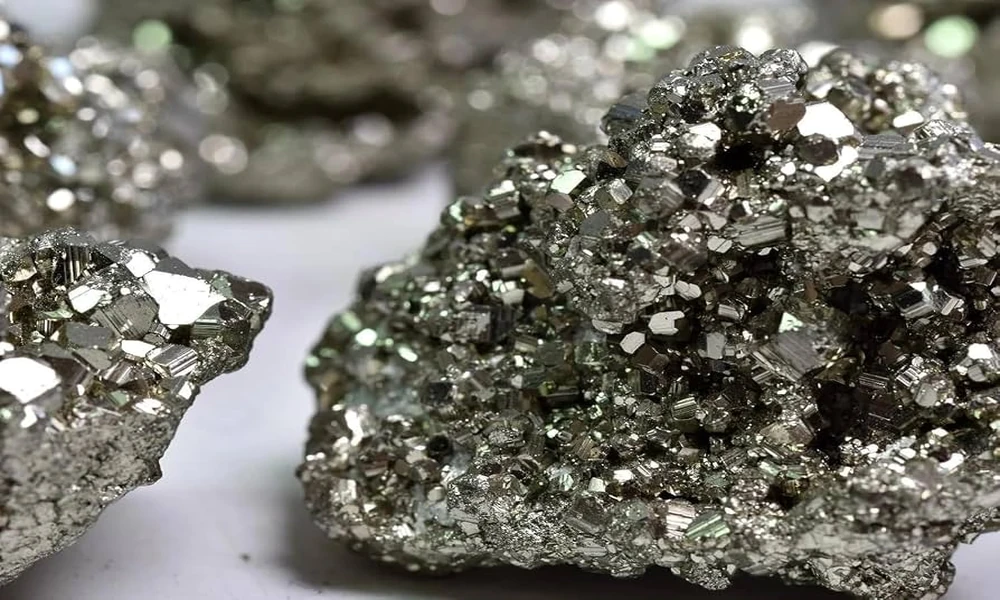
Pyrite and gold often turn up in the same rocks, and both have a warm metallic glow, so a hopeful prospector could easily mistake one for the other. Many did, which is how the nickname stuck. The proper name has nothing to do with gold at all. It comes from the Greek pyr, meaning fire, because pyrite throws off sparks when struck against steel or stone. Long before matches, people carried it as a fire starter, and that link to fire and light sits quietly behind its later reputation as a stone of energy and wealth.
How can you tell pyrite from real gold?
A few simple tests separate the two. Pyrite is hard but brittle and leaves a dark streak, while gold is soft, heavy and leaves a gold one.
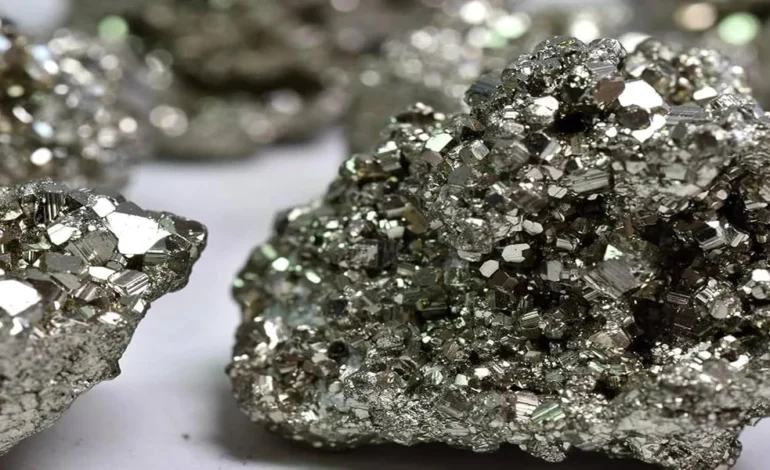
If you press a metal point into gold, it dents like soft lead, but pyrite chips and crumbles because it is brittle. Rub each across unglazed porcelain and gold leaves a yellow line while pyrite leaves a greenish-black one. Gold is also far heavier for its size, and it forms no neat shapes, whereas pyrite grows in sharp little cubes you can often spot with the naked eye. None of this makes pyrite worthless, by the way. It has been used to strike fire, to make sulphuric acid, and more recently in solar-cell research.
What does pyrite mean as a crystal?
In crystal tradition pyrite is a stone of confidence, willpower and abundance. Its gold-like shine and fiery past made it a natural symbol for drive and prosperity.
Because it looks like gold and carries that old link to fire, pyrite came to stand for warmth, action and material success. People associate it with the solar plexus, the energy centre tied to self-belief and personal power, which is why it is often described as a stone for courage and motivation. It is also seen as protective, a kind of bright shield that reflects heavy moods away. These are symbolic meanings drawn from tradition, not physical effects, so hold them as ideas to work with rather than promises.
What are the benefits of pyrite crystal?
People turn to pyrite for a lift in confidence, focus and a sense of abundance. The table sums up the qualities it is traditionally linked with and how people use it.
Keep in mind these are traditional and experiential benefits, the kind of lift that comes from a meaningful object and a clear intention, not a medical or financial result.
| Quality | How people use it |
|---|---|
| Confidence and drive | Keep it on a work desk |
| Abundance mindset | Place it in a cash box or locker |
| Protection | Set a piece near the main door |
| Focus | Hold it before a big task |
How do you place and care for pyrite?
Place pyrite where you want focus or abundance, like a desk or a cash box, and keep it dry. Water is the one thing that genuinely harms it.
Common spots are the work desk for drive, the cash drawer or locker for an abundance of intention, and near the front door as a protective piece. The care is where pyrite is fussier than most stones. Because it is an iron mineral, moisture makes it rust and slowly crumble, so never soak it, bury it in salt, or leave it in damp air. Clean it instead by wiping with a dry cloth, and refresh it with sound, moonlight or dry incense smoke. Kept dry, a good pyrite cube lasts for years. If you would like to pick a piece or read more about it, a crystal guide such as ankastra.com is a good place to start.
Frequently Asked Questions
Why is pyrite called fool’s gold?
Because its brassy, metallic shine looks so much like gold that miners often mistook it for the real thing. The two even form in the same rocks. The name pyrite itself comes from the Greek word for fire, as it sparks when struck.
Is pyrite worth any money?
As a mineral it has little value next to gold, though it is used in industry and sometimes holds tiny traces of real gold. As a crystal and a collector’s cube, good clear specimens are easy to find and popular, valued more for their looks and meaning than resale.
What is pyrite good for?
In crystal tradition it is used to boost confidence, drive and focus, to support an abundance mindset, and as a protective stone. These are symbolic, experiential uses, not medical treatments. Many people simply keep it where they work or save money as a daily reminder of their goals.
Can pyrite get wet?
Better not. Pyrite is an iron mineral, so water and damp air make it oxidise, rust and eventually crumble. Keep it dry, wipe it with a soft cloth, and cleanse it with sound, moonlight or dry smoke rather than water or salt.
Which chakra is pyrite linked to?
Pyrite is usually linked to the solar plexus, the Manipura, the energy centre associated with confidence, willpower and personal drive. That is why it is described as a stone for courage and motivation, matching its bright, golden, fiery character.
Conclusion
Pyrite earned the fool’s gold name honestly, yet there is nothing foolish about keeping one. It carries a long tradition that reads its golden shine as confidence and abundance. Enjoy pyrite for its story, keep it dry and on your desk or with your savings, and let it stand as a bright nudge towards your own effort.
A word on what to expect: Pyrite is a stone of symbolism and tradition, and any benefit is experiential, not scientific or guaranteed. It will not cure an illness, fix your finances or replace professional advice. For concerns about health, money or anything serious, please speak with a qualified expert.
Curious to see a pyrite bracelet up close? Have a look and read more at www.ankastra.com